Microsoft SolarEase - AI-powered Financial Modeling Dashboard
<!--
Work info
-->
// A roller coaster journey of high-level decision making, building, refining, growing and continuously learning.
<!--
Impact in 8 Months
-->
<!--
Overview
-->
The founding story began with a simple frustration…
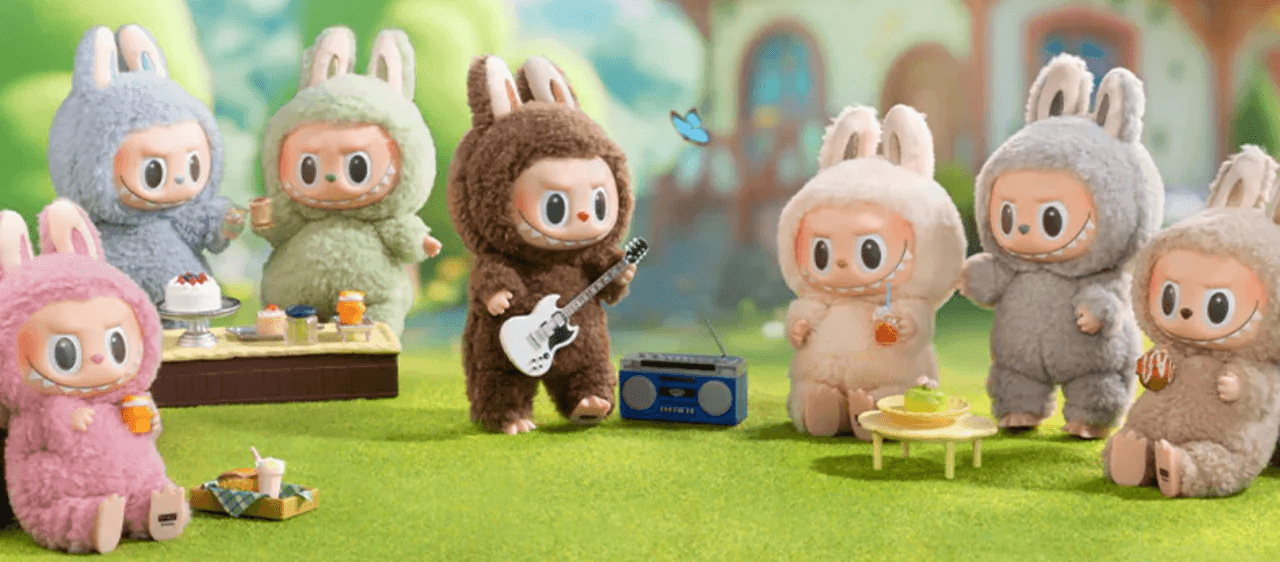
In 2025, Pop Mart’s Labubu became a global craze.
Drops sold out within seconds, fueled by social hype and limited supply.Demand wasn’t the problem. Speed was.
Market opportunity
Delayed alerts
Email notification tools often arrived too late.
Discord paywall
Restock alerts were locked inside paid Discord groups.
Mobile gap
No accesible mobile-first tool for tracking real-time restocks.
This gap created an opportunity:
A mobile-first restock system built for speed, customization, and real-time drops.
<!--
Hypothesis
-->
If we built an accessible, instant, and reliable restock tool, the Pop Mart hype would convert into daily users.
Hype → Demand → Rapid User Growth
Alert Accuracy → Habit → User Retention
<!--
PHASE 1: MVP Validation
-->
4-week MVP launch → 10K organic users in week one
MVP Scope:
Pop Mart restock alerts feature only
Minimal, lightweight UI
Key Tradeoffs:
Speed > design polish
Narrow feature scope for fast validation
<!--
Outcome
-->
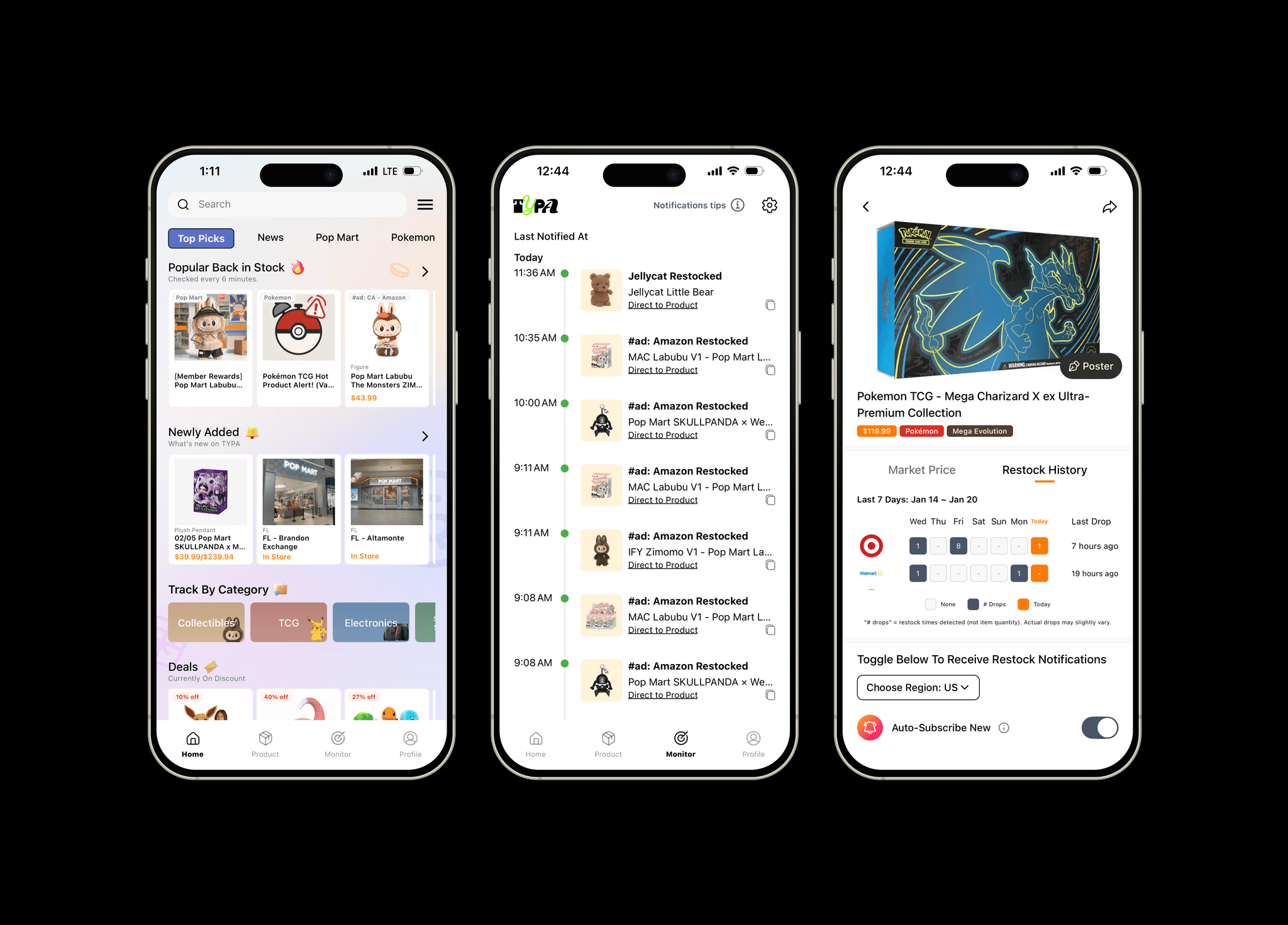
After launching on the Apple App Store, TYPA quickly spread through Reddit, Discord, and TikTok communities, fueling rapid organic user growth(~10,000 users).
<!--
Key Decision
-->
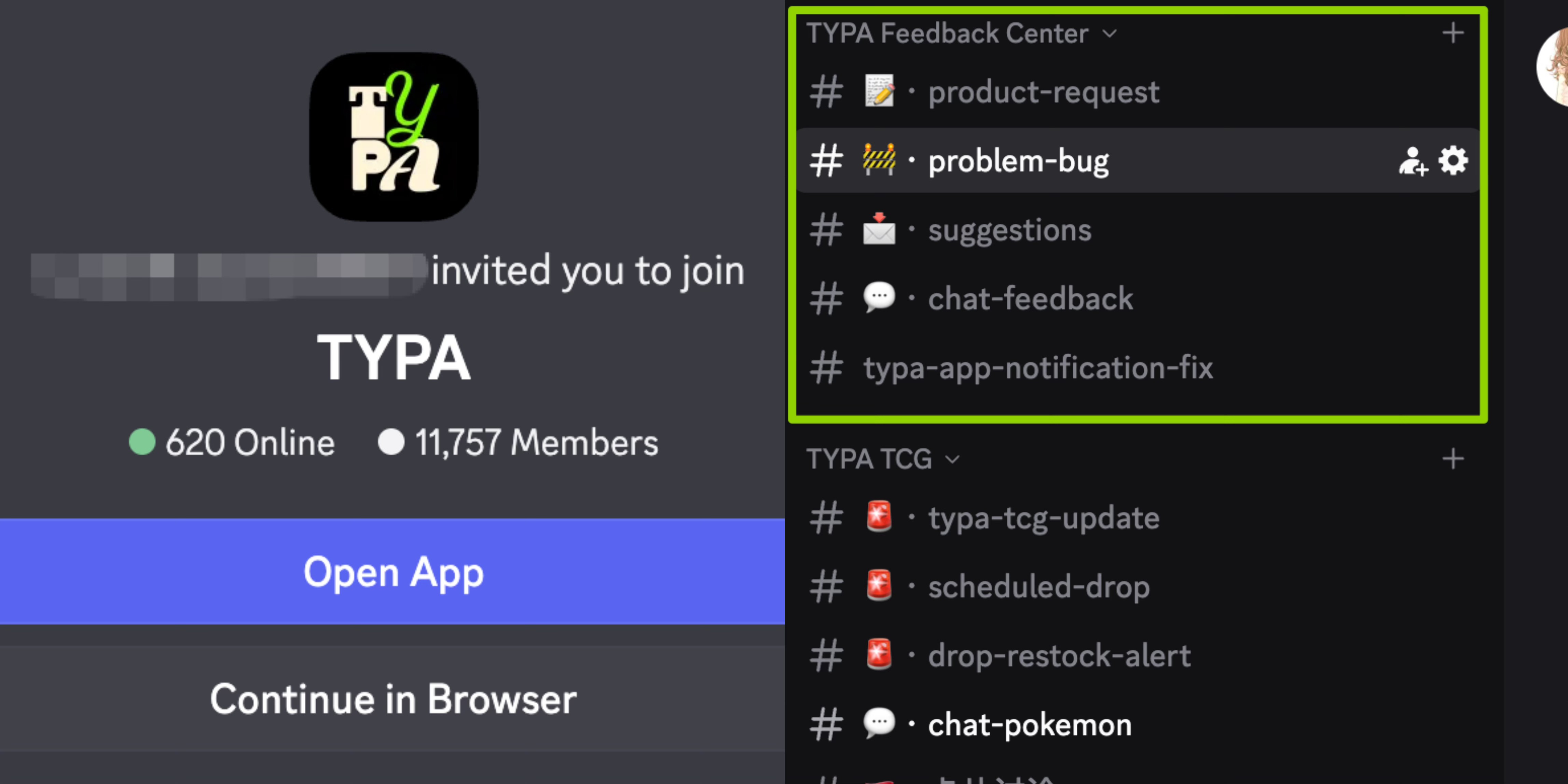
Encouraged by early traction, we launched a Discord community to stay close to users and collect direct feedback.
-> Discord community with 11,000+ members, enabling live discussion and real-time feedback.
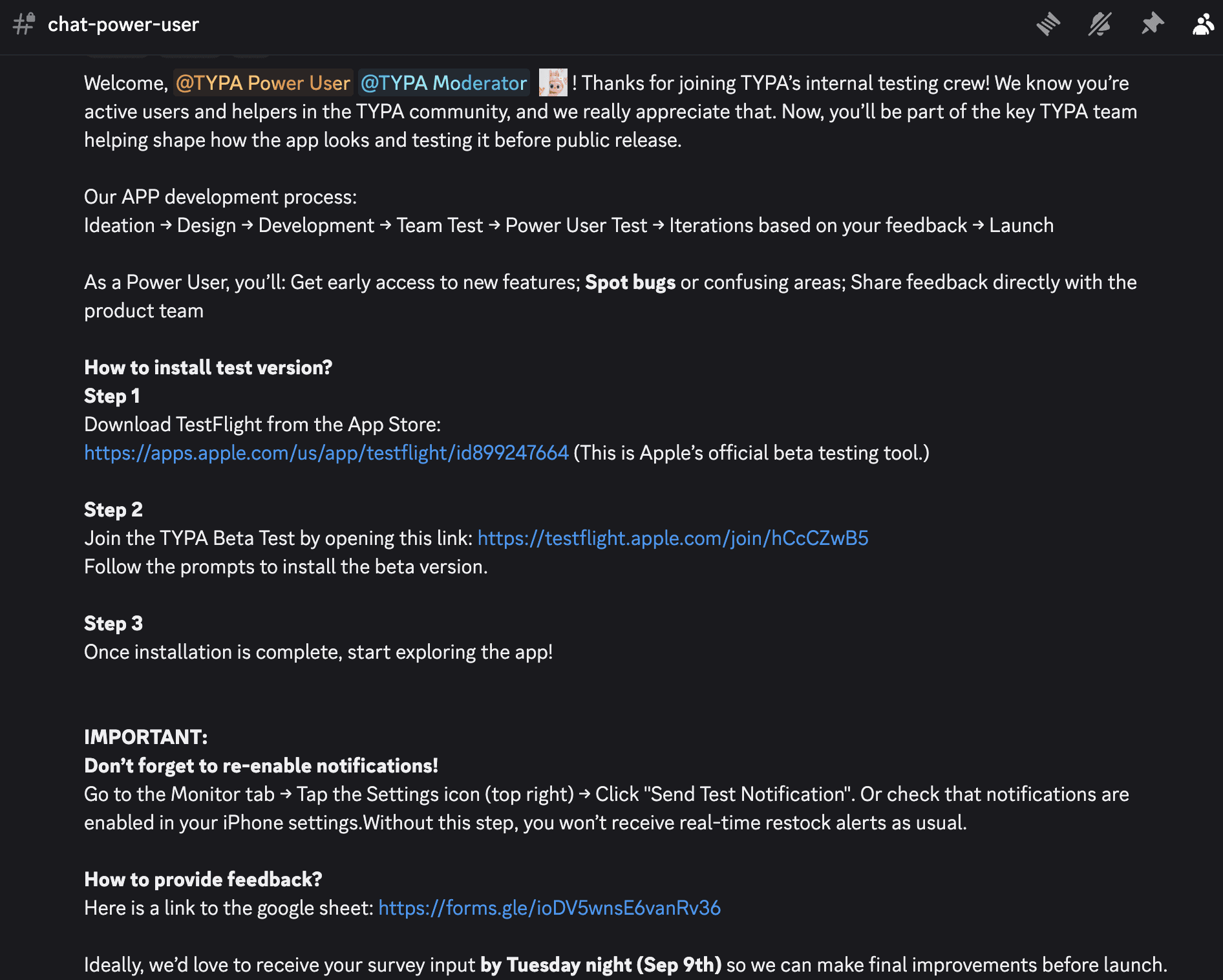
-> Before each app update, we conduct beta testing with active users in the Discord community.
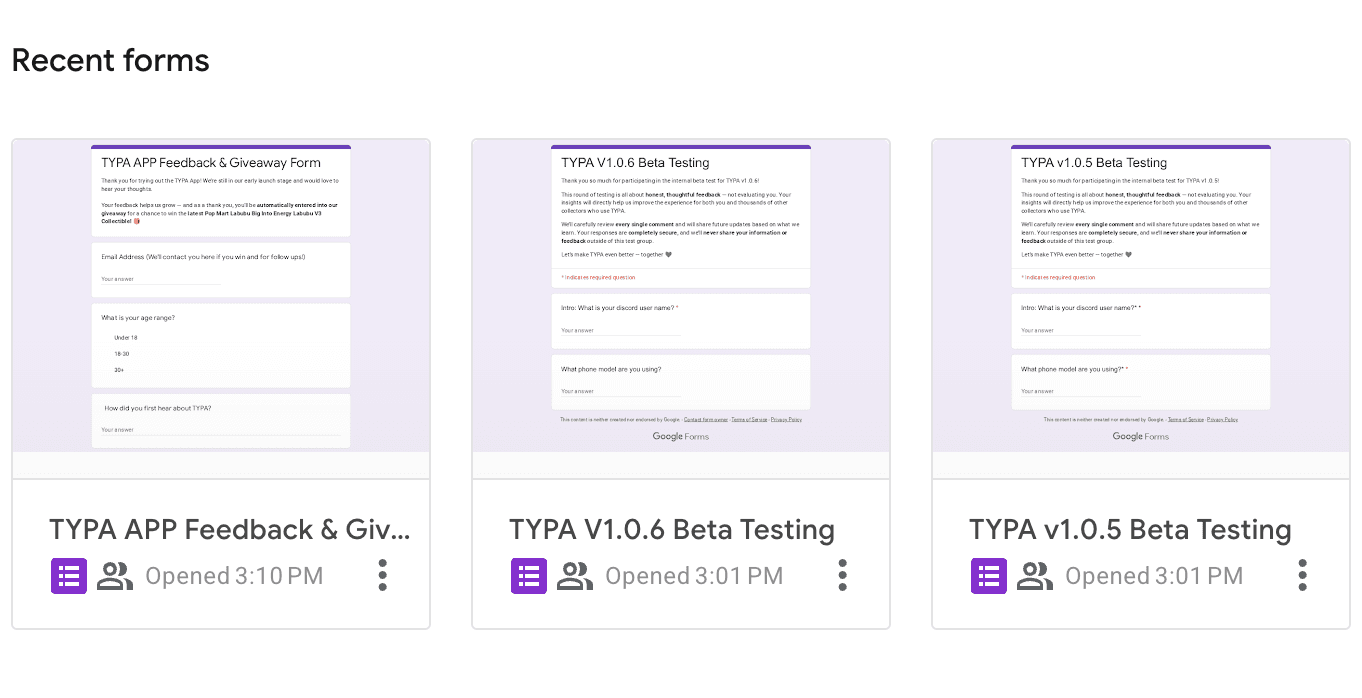
-> Usability testing through quantitative surveys and qualitative live chats/interviews.
<!--
PHASE 2: Product Expansion & Retention
-->
3-month product expansion & retention → 50K users
Focus:
• Improve user retention & daily engagement
• Expand product surface
Key Initiatives:
6 rapid feature iterations based on user feedback
Homepage redesigned to support product growth
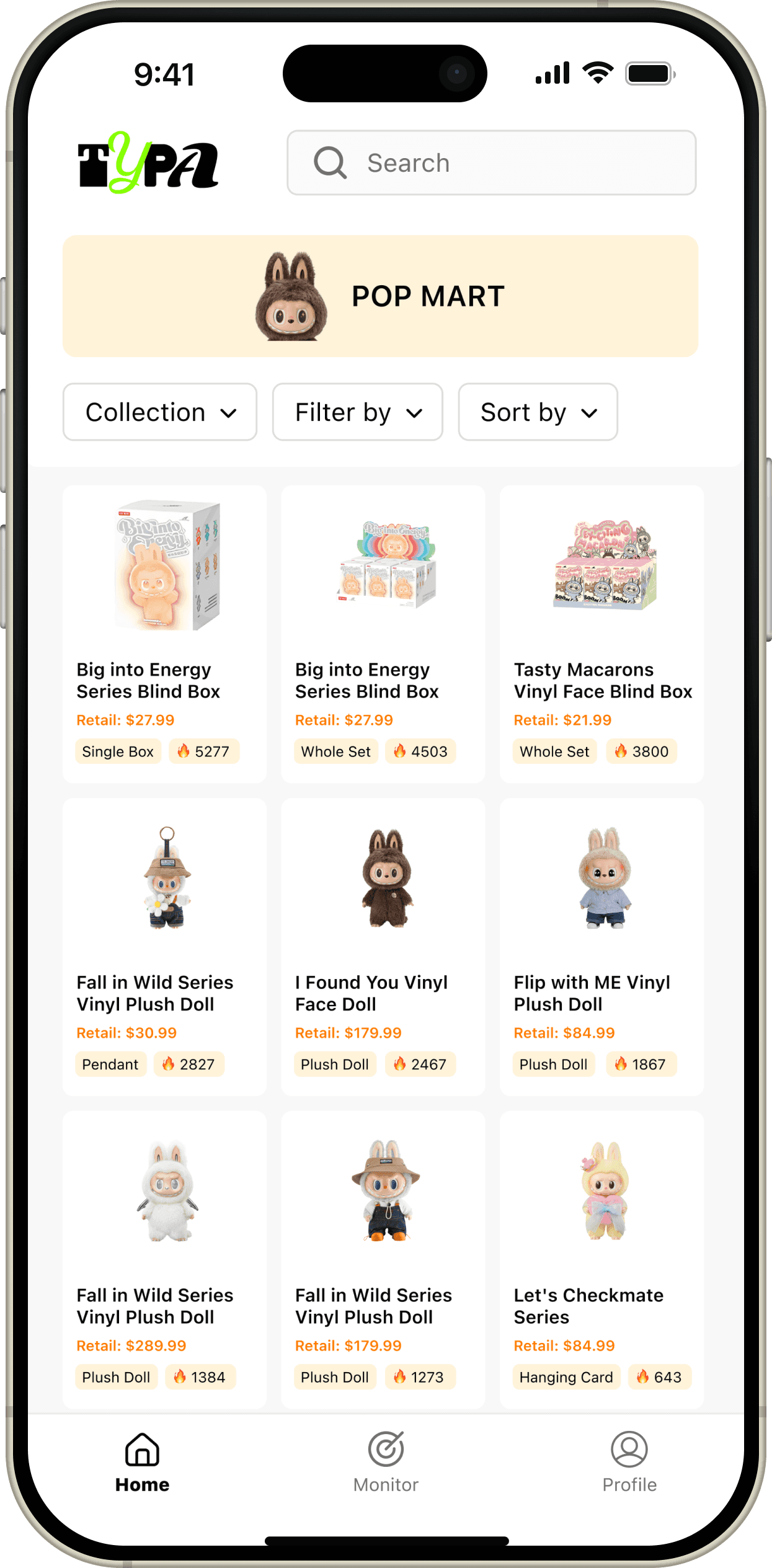
MVP: Pop Mart only
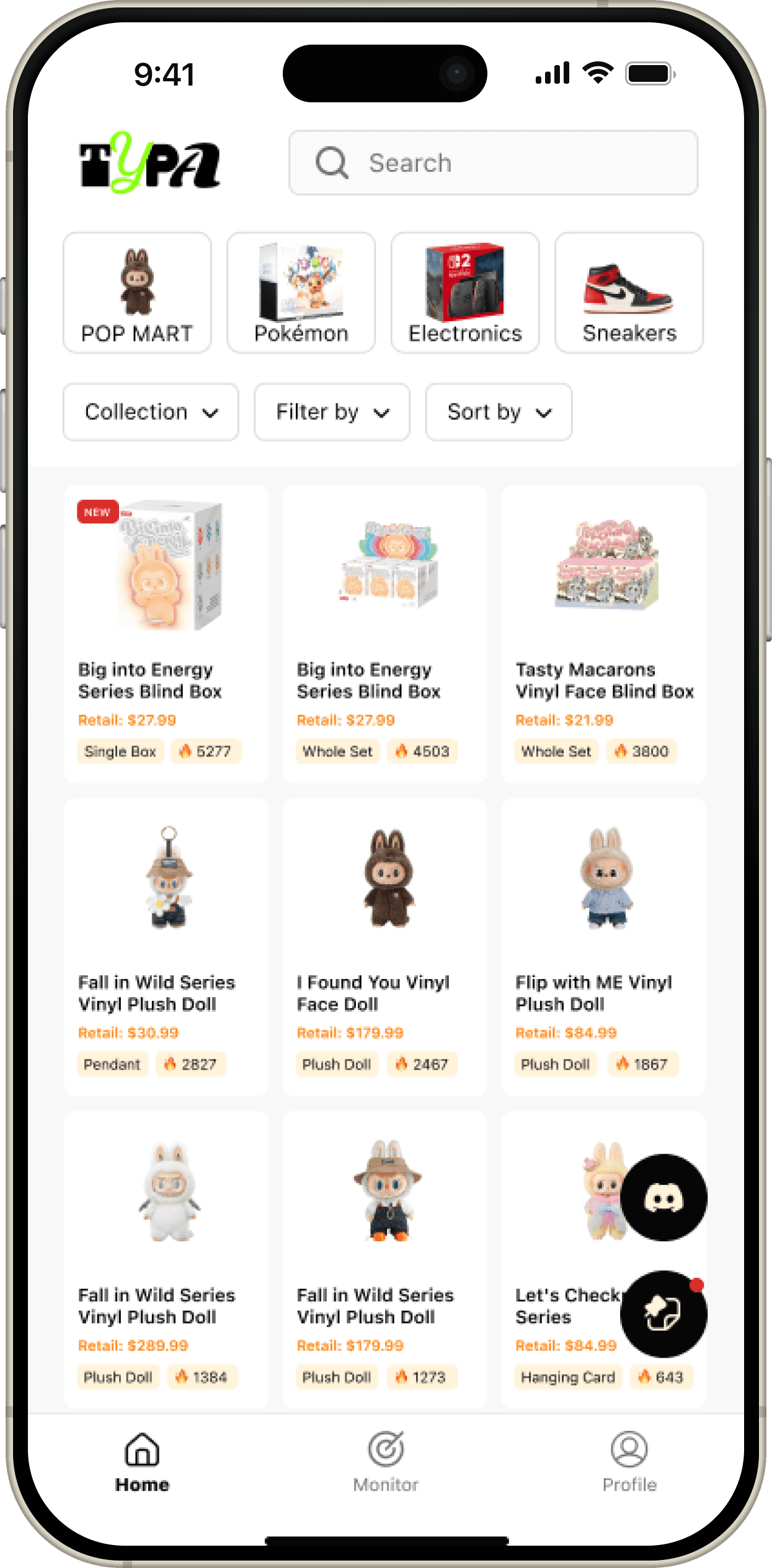
Home 2.0: 4 categories, 10+ brands
Home 3.0: 20+ brands, new filter
Data-driven retention: market price & restock history
Utility-driven engagement: poster creation tool(sell/buy/share)
Informational return: review latest collector news
<!--
Outcome
-->
Users
Peak DAU
Notification Sent
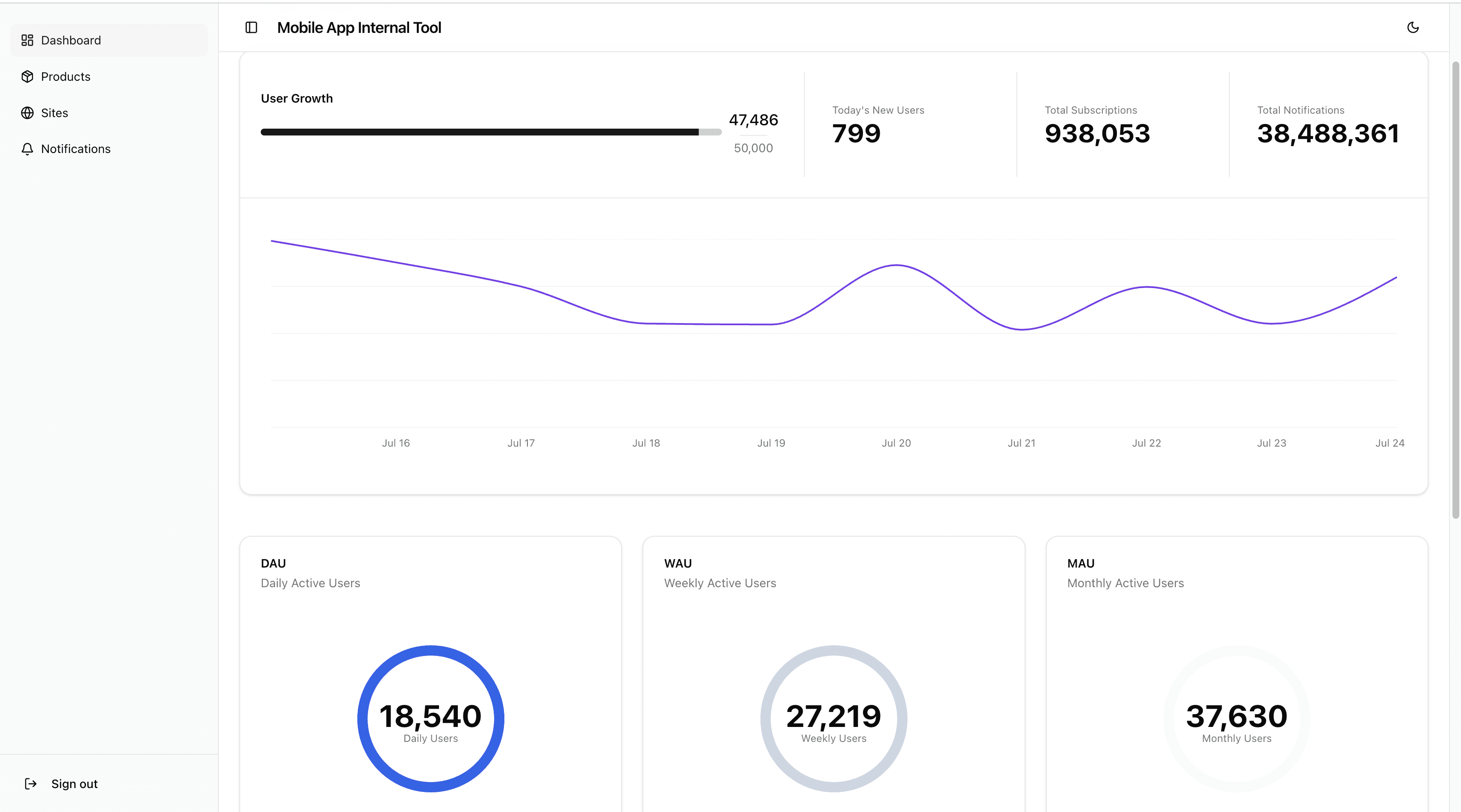
Backend dashboard screenshot — July 28, 2025
<!--
PHASE 3: Global Expansion & Monetization
-->
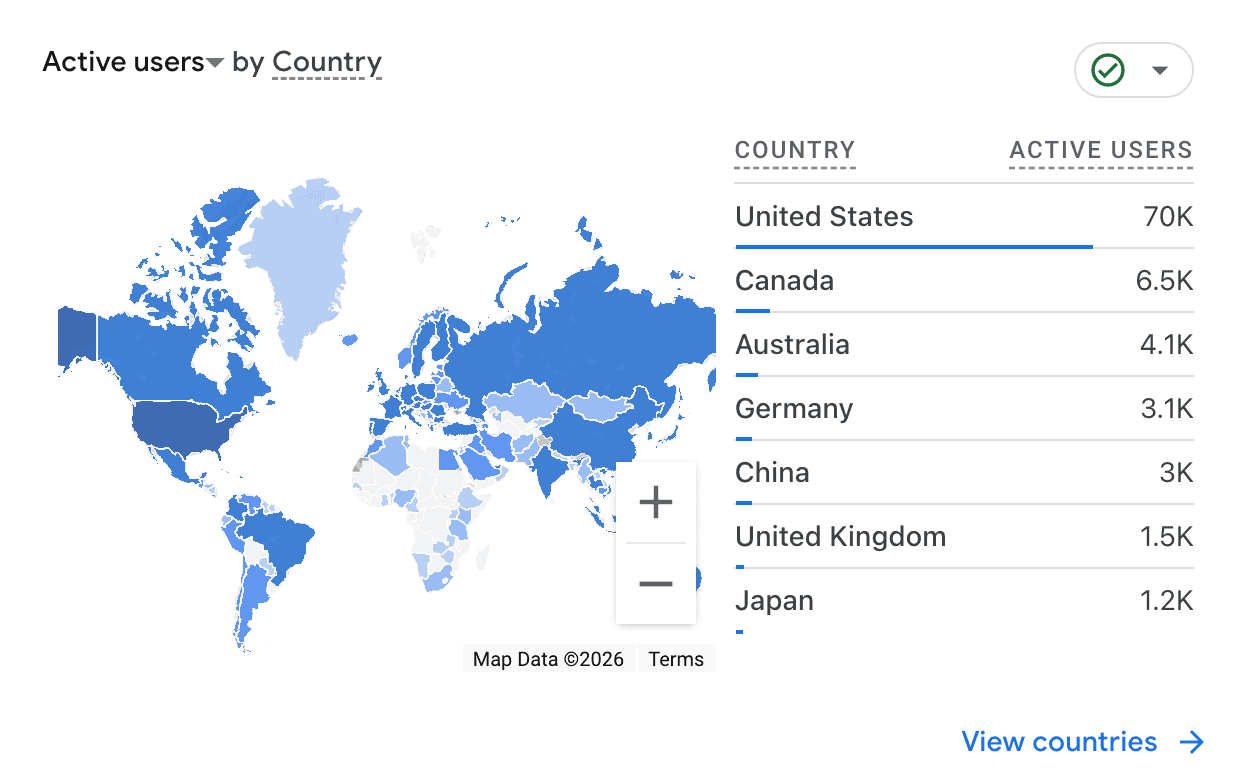
Scaling to a global platform → 85K users
Global expansion
20+ countries
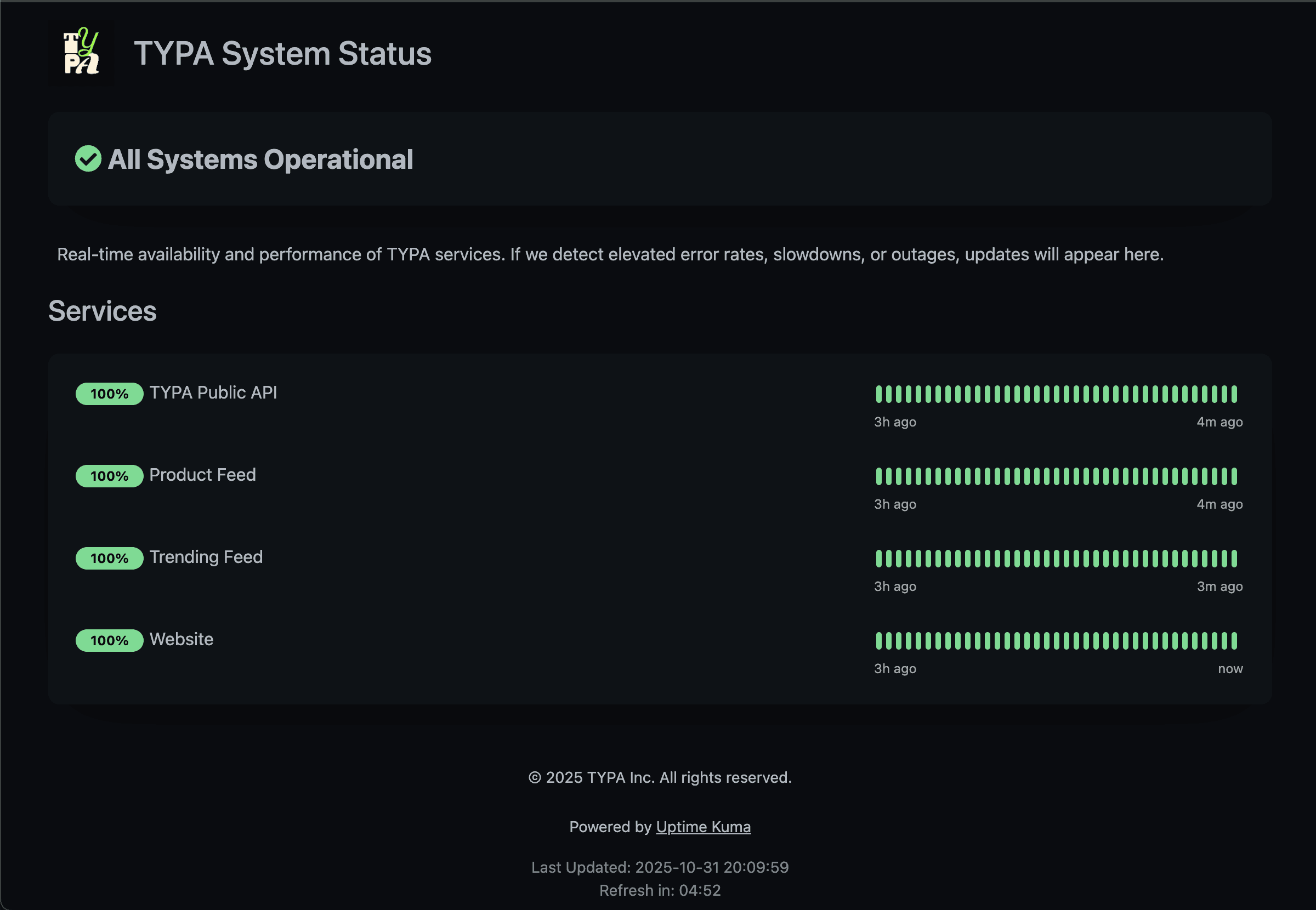
Infrastructure support & scale
AWS, 100,000 users capacity
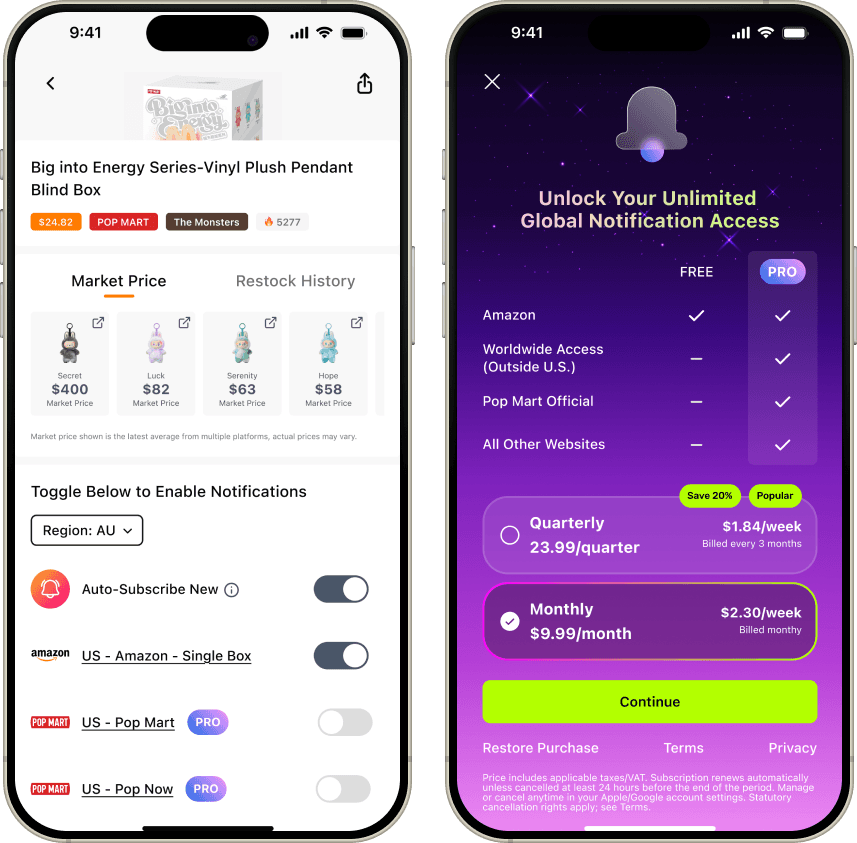
Success monetization
Freemium + subscription
-> Global Expansion
• Launched in 20+ countries with a unified product experience.
• Rapid adoption across collector communities worldwide.
-> Infrastructure Scaling
• Backend scaled on AWS to support global real-time alerts.
• Worked with engineering to support 100K+ users
-> Monetization Success
• Free in US & Canada → accelerate adoption.
Subscription for international markets.
Affiliate partnerships with marketplaces.
-> Continuous iteration
• We continuously improve the product through user feedback and feature development.
<!--
Learnings
-->
Finally, building TYPA showed me that product design goes far beyond interfaces — it’s about identifying opportunities, shipping quickly, and evolving with real user behavior.
AI workflows accelerate product iteration
As the product matured, we integrated AI-assisted workflows into our development process. Using tools like OpenClaw, I was able to directly modify front-end implementations, generate weekly product reports, and analyze user feedback more efficiently — enabling faster iteration across design, product, and engineering.
Speed validates ideas
Launching an MVP in four weeks allowed us to test real demand quickly. Early traction proved that solving a clear user pain point mattered more than perfect design.
Community drives product direction
Our Discord community became the core feedback loop. Direct conversations with collectors helped prioritize features and validate product decisions.
Expanding value improves retention
Moving beyond a single notification feature required expanding the product’s value — introducing data insights, tools, and content that encouraged users to return daily.
Scaling shifts product priorities
As adoption grew globally, infrastructure reliability, monetization strategy, and platform scalability became key product considerations.